Tag: ubud

  • The Best Family-Friendly Resorts in Ubud Bali for Relaxation, Adventure, and Real Quality Time

    The Best Family-Friendly Resorts in Ubud Bali for Relaxation, Adventure, and Real Quality Time

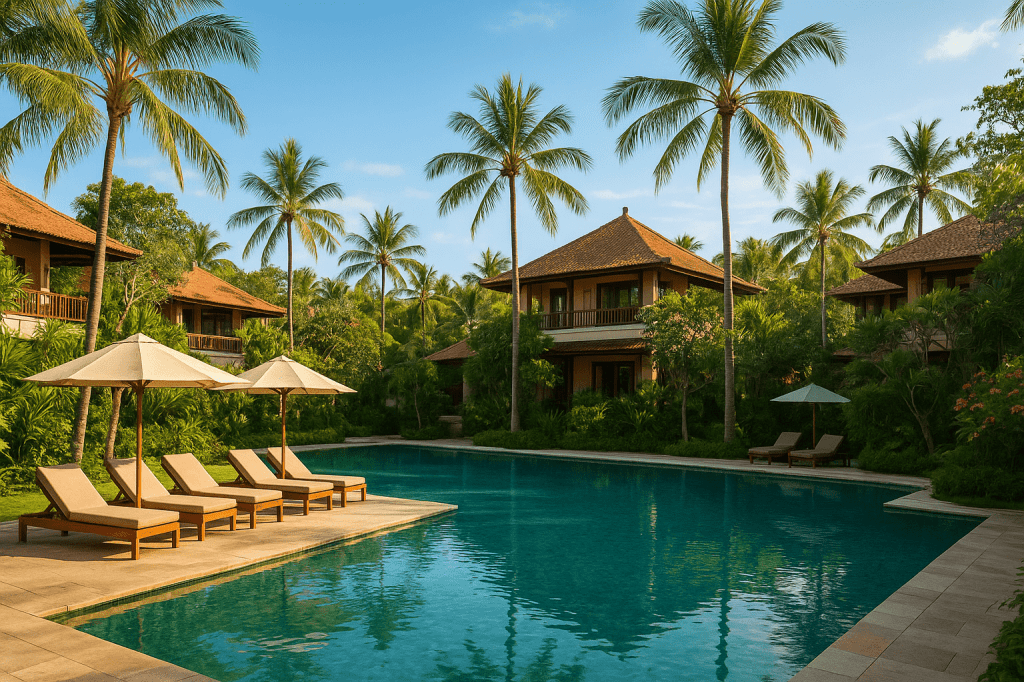
    If you’re traveling with kids, grandparents, or even a big blended family, finding the best family-friendly resorts in Ubud Bali can feel like hunting for that one toy piece your toddler swears is under the couch. It’s tricky, but once you land on the right spot, everything just clicks. Ubud isn’t just rice terraces and yoga retreats—it’s actually one of the best places in Bali for families who want culture, nature, and a bit of luxury rolled into one. I’ve stayed in a few of these resorts myself (sometimes with kids in tow, sometimes with friends who brought theirs), and I can tell you, not all “family-friendly” labels are created equal.

    Some resorts in Ubud genuinely think about what families need: big villas where siblings aren’t squished together, kids’ clubs that don’t feel like an afterthought, food options that go beyond “nuggets and fries,” and pools where parents can sip a coconut while kids go full mermaid mode. Others… let’s just say they’re more like romantic escapes that happen to tolerate kids. Big difference.

    So, let me walk you through the ones that actually deliver on the promise.

    Why Ubud is Perfect for Family Vacations

    Before diving into resort names, let’s talk about why Ubud is such a solid choice for families compared to, say, Kuta or Seminyak. Those beach areas? Fun, sure, but a little chaotic if you’ve got small kids. The traffic alone can be stressful enough to send you hunting for a second Bintang by noon.

    Ubud is different. It’s quieter, surrounded by rice paddies, waterfalls, and jungle hikes that even kids can handle. You get monkeys at the Sacred Monkey Forest (though I’ve learned the hard way: hide the snacks, unless you want to be ambushed), art workshops where kids can paint or try batik, and cooking classes where teens might actually put their phones down because pounding spices in a mortar is weirdly satisfying.

    Plus, many of the resorts here are designed like little villages—private villas, open-air restaurants, and staff that somehow remember every kid’s name after the first day. According to data from Indonesia’s Ministry of Tourism, family travelers to Bali are increasingly choosing central destinations like Ubud because of safety, nature, and cultural experiences. That’s not marketing fluff, that’s government-backed numbers.

    The Best Family-Friendly Resorts in Ubud Bali

    Let’s get to the good stuff. These are the resorts that keep coming up in conversations with other parents, in traveler forums, and in my own experience.

    The Westin Resort & Spa Ubud – Stress-Free Luxury with Kids in Mind

    The Westin brand has a reputation for family travel, and their Ubud property nails it. If you’ve got little ones who wake up at 6 am no matter what timezone they’re in, this place makes mornings less painful. Their kids’ club, called Westin Family Kids Club, has legit activities—Balinese dance lessons, nature scavenger hunts, even cooking classes for kids.

    What I liked most when I stayed here was how the staff went out of their way to adjust things. My nephew is a picky eater, and the chef literally came out to chat with him and then made a “not-on-the-menu” spaghetti that saved us from a meltdown. The pool area is designed so kids can splash in one section while adults get some peace on sun loungers just a few meters away.

    Rooms are spacious, which is crucial. You don’t want to feel like sardines after a long day. And if you’re traveling with grandparents, they’ve got connecting suites that make life way easier.

    The Lokha Ubud Resort – For Families Who Like Privacy

    Now, if your family likes a bit more seclusion, The Lokha is tucked in the jungle near Campuhan Ridge. Villas here come with private pools, which means kids can cannonball to their heart’s content without disturbing other guests.

    I once booked this place for a friend’s family trip, and their feedback was gold: mornings were spent walking the rice fields (short enough for kids to not complain, but still “Instagram-worthy”), and evenings were for family dinners in the villa courtyard. The resort staff arranged babysitting when parents wanted to sneak out for a couples massage.

    It’s not flashy, but that’s the point—it feels like a private sanctuary where families can actually spend time together without constant distractions.

    Alila Ubud – Culture Meets Comfort

    Alila isn’t marketed exclusively as “family,” but it works beautifully for multi-gen travel. The infinity pool here is iconic (seriously, it’s one of the most photographed pools in Bali), and kids are welcome in it. They even organize family cooking classes where you can all try making satay and lawar together.

    One of my favorite touches? The storytelling nights. Balinese myths told by locals under the stars—it kept the kids engaged longer than I expected. Plus, the monkeys that roam around the property were a source of endless amusement. Though, word of advice, don’t leave snacks unattended in your villa. I learned that one the hard way.

    Padma Resort Ubud – The All-in-One Family Favorite

    Padma is often at the top of family travel lists, and for good reason. If you want a resort where you don’t have to plan much because everything is already there, this is the one. The kids’ club here is like a mini theme park—indoor play areas, outdoor activities, even traditional craft workshops.

    Their pool is enormous, with a water slide that kept my nieces entertained for literal hours. The family rooms are thoughtfully designed with bunk beds, so kids actually want to go to bed (small miracles). And while the kids are occupied, adults can sneak off for yoga or just relax at the spa.

    Food-wise, Padma caters to every age. They do themed buffets that are fun for kids, and if you’ve got adventurous eaters, they’ll love trying Balinese specialties without you having to drag them outside the resort.

    Kamandalu Ubud – Villas That Feel Like Home

    Kamandalu is a resort that balances traditional Balinese vibes with modern comforts. Families love it because the villas have enough space for everyone, and some come with private pools. There’s also a “floating breakfast” option that’s a hit with older kids and teens (yes, it’s Instagram bait, but also fun).

    One of the cool things here is their family yoga classes. I joined one with a group that included kids as young as 5, and the instructor was surprisingly good at keeping them engaged. Not easy.

    And while it feels upscale, the atmosphere isn’t overly formal. You don’t feel guilty when your toddler decides to run circles around the restaurant. Staff just smile and bring out crayons.

    Sthala, a Tribute Portfolio Hotel – Riverside Relaxation

    This resort sits along the Wos River, which gives it a calm, scenic vibe. Families who like outdoor activities will appreciate the cycling tours and nature walks organized by the hotel. They even offer a riverfront picnic setup that kids absolutely love.

    When I stayed here, I noticed how genuinely attentive the staff were. A family nearby had a kid who wasn’t feeling well, and the staff quickly arranged a doctor and helped them without fuss. That kind of care makes a big difference when you’re traveling with children.

    The pool is family-friendly, and rooms are big enough to fit extra beds without feeling cramped. Plus, being slightly outside central Ubud means it’s quieter, which helps kids (and adults) sleep better.

    What Makes a Resort Truly “Family-Friendly” in Ubud?

    Here’s the thing—“family-friendly” is one of those words that can mean anything. Some places slap it on their website because they allow kids, but that doesn’t mean they’re actually equipped for families. From my experience, these are the things that separate the real family resorts from the wannabes:

    • Space: Rooms or villas that don’t make you feel like you’re living out of a suitcase. Families need breathing room.
    • Pools with shallow areas: Sounds obvious, but you’d be surprised how many resorts don’t think about kids in the pool design.
    • Kids’ clubs that don’t feel like babysitting warehouses: The good ones offer cultural activities—painting, cooking, dance—not just cartoons on a TV.
    • Food variety: Resorts that understand kids might want pizza one day, and nasi goreng the next.
    • Staff who actually like kids: This is intangible but makes all the difference. When staff genuinely interact with children, it changes the whole stay.

    Extra Tips for Families Booking Resorts in Ubud

    Since I’ve been through the family-travel circus more than once, let me share a few little things I’ve learned:

    • Location matters. Staying too deep in the jungle sounds romantic until you realize it’s a 30-minute car ride every time you need diapers or snacks. Balance seclusion with accessibility.
    • Check the kids’ club age limits. Some are only for 4 years and up, which leaves parents with toddlers juggling babysitting services.
    • Consider multi-gen setups. If you’re traveling with grandparents, connecting suites or two-bedroom villas save a lot of hassle.
    • Transportation services. Some resorts provide shuttles into central Ubud, which is a lifesaver if you don’t want to deal with taxis every day.
    • Wellness for parents. Let’s be honest, a family trip can be exhausting. Resorts that offer babysitting or evening kids’ programs give parents a chance to recharge.

    Why Families Keep Returning to Ubud

    Here’s the truth: once families try Ubud, many of them skip the busier parts of Bali on their next trip. They realize that their kids can run around safely, they can explore without constant stress, and they get to experience something beyond just beaches.

    I’ve had friends tell me their kids still talk about feeding fish at a resort pond or painting wooden masks at a kids’ workshop long after the trip ended. That’s what family travel should be about—creating little memories that stick.

    And honestly, as a parent or even just the designated “fun uncle,” nothing beats seeing kids wide-eyed because they’ve spotted a monkey or learned to say “terima kasih” to the staff.

    Read also: What to Do in Canggu Bali

    When’s the Best Time to Visit Ubud with Family?

    One thing people often forget when booking is timing. Ubud can feel like a completely different place depending on the season. The dry season (April to October) is usually the safest bet, especially if you’ve got young kids. Less chance of rain ruining your outdoor plans, and walking around rice fields is way less muddy. That said, I’ve traveled here during rainy season too, and while the downpours can be heavy, they usually don’t last all day. Resorts often turn rainy afternoons into fun—arts and crafts at the kids’ club, indoor cooking classes, or Balinese music lessons.

    Crowds are another factor. July and August are peak times, so expect busier streets in central Ubud and higher prices. If you can swing it, May, June, or September are golden months—weather’s great, fewer tourists, and you can usually score better deals on villas.

    And don’t stress too much about kids adjusting to Bali’s slower pace. Ubud’s family-friendly resorts are pros at keeping them entertained. While you’re sipping coffee overlooking rice terraces, your kids might be learning how to fly a traditional Balinese kite. It’s that mix of downtime and cultural immersion that makes Ubud such a solid family choice.

  • What to Do in Canggu Bali When You’re Overwhelmed by Too Many Damn Options

    What to Do in Canggu Bali When You’re Overwhelmed by Too Many Damn Options

    So, you’re headed to Bali and someone said, “Dude, you HAVE to check out Canggu.” Yeah, I heard the same thing. When I first landed in Denpasar and made my way up the coast to this little surf-meets-hipster heaven, I was straight-up overwhelmed. Like, what to do in Canggu Bali? It’s not exactly a one-note town.

    You’ve got surf culture, digital nomad coffee dens, Instagrammable cafes, yoga shalas, beach bars that turn into full-blown raves, and rice paddies that make you question your whole life back home. So yeah, let’s break it down—real talk, no fluff, and a bit of the behind-the-scenes stuff that most blogs skip.

    Read also: Best Beach Resorts in Bali

    Surf First, Ask Questions Later — Or Just Watch If You Suck Like I Did

    Let’s not kid ourselves—surfing is practically a religion in Canggu. Echo Beach, Batu Bolong, and Berawa Beach are the holy trinity for surfers. Whether you’re an actual wave chaser or just pretending because your Bumble date surfs, there’s something for everyone.

    I tried surfing at Batu Bolong on my third day there. Big mistake. Should’ve tried it on the first day so I could recover in time to walk properly the rest of the week. The white water breaks are beginner-friendly—if your version of “friendly” includes swallowing gallons of salt water and face-planting in front of strangers. But it’s part of the charm.

    Here’s what I learned:

    • Don’t rent the board from the first guy you see. Walk a bit. You’ll get a better deal.
    • Lessons are cheap. Like, $10–15 USD per hour kind of cheap.
    • Mornings are less crowded. Plus, fewer people watching you wipe out.

    If you’re more of a “watch and sip” kinda person, The Lawn and Old Man’s Beach Bar have beach views with cocktails. I may or may not have faked a sore shoulder just to get back to the beanbags and coconut mojitos.

    Coffee Shops in Canggu That’ll Make You Forget Starbucks Ever Existed

    Canggu is where lattes and laptops live in perfect harmony. I’d be lying if I said I didn’t spend entire afternoons at places like Crate Cafe or BGS Bali. If you’re working remotely or just pretending to be productive so you don’t feel guilty about that fourth smoothie bowl, this is your paradise.

    What sets Canggu’s coffee scene apart? It’s the vibe. Every place feels like it was designed by a Scandinavian interior designer who surfs before breakfast. Add fast Wi-Fi and banana pancakes, and you’re golden.

    My faves (don’t @ me if your list is different, it’s personal):

    • Crate Cafe: Insanely good breakfast, but it gets packed. Go early.
    • BGS: Cold brew on tap, and everyone there looks like they model for Patagonia. Chill crowd.
    • Rise & Shine: More low-key, great spot to read or journal if you’re that kind of person.

    Also, some spots double as co-working spaces, so if you need to hop on Zoom or crank out some emails, you’re set. Just don’t be that person with AirPods in and no drink for two hours.

    Yoga, Breathwork, and All That “Finding Yourself” Stuff

    Even if you’re not a yogi back home, Canggu has a way of soft-selling you into the whole wellness thing. I came in just trying to stretch out after a long flight. Next thing I knew, I was deep into a breathwork class, crying in Savasana like I’d just watched the season finale of The Office again.

    The Practice and Samadi Bali are two spots that completely won me over. The teachers are grounded and actually give a crap about helping you, not just posing for Instagram. If you’ve ever said, “Yoga’s not for me,” give it one try here. Canggu makes it different somehow.

    Plus, you can hit up a sound bath, get a Balinese massage for $10, and eat raw vegan everything after. Or not. You do you. Just know that self-care feels more like a way of life here than a trend.

    Exploring Canggu Beyond the Beach — Yes, It’s Possible

    Canggu isn’t just beaches and brunch, even though those are two solid reasons to love it. Rent a scooter (you will need one), and start exploring the backroads. Within minutes, you’re out of the digital nomad bubble and into rice paddies that look like they came out of a freakin’ painting.

    There’s something magical about riding past temples, waving at locals, and finding these tiny warungs (local eateries) with food that’ll blow your mind for under $2. I stopped at one near Tumbak Bayuh with no name—just a handwritten menu on cardboard. Best nasi campur I’ve had in my life.

    Also worth checking out:

    • Tanah Lot Temple: Go early to avoid tour buses. Yes, it’s touristy but it’s iconic for a reason.
    • Pererenan Village: Less crowded, way more chill, and still has cute cafes like Honey Kitchen.
    • Local markets: Love Anchor is cute, but check out Samadi Sunday Market for actual local vendors.

    And hey—getting lost here is half the fun. Don’t follow Google Maps too seriously. You might just end up at some private rice terrace or little hidden waterfall. That happened to me twice.

    Where to Party Without Losing Your Mind (or Wallet)

    Alright, let’s talk nightlife. Canggu parties hard, but it’s not (yet) the full-on chaos of Kuta or Seminyak. Think more “dancing barefoot on the sand” than “foam party in a club with no windows.”

    Old Man’s is the spot most people start at. Drinks are cheap, music is decent, and everyone ends up sweaty and barefoot by midnight. Don’t wear heels unless you enjoy pain.

    La Brisa is another one that’s straight-up stunning. It’s pricier but worth it for the vibe—think treehouses meets pirate ship with fairy lights. Their Sunday markets are also cool if you wanna browse local crafts in daylight.

    For live music, Deus Ex Machina on Sundays has that surfer-band-meets-motorbike-garage aesthetic. A bit niche, but the crowd is usually laid-back, and the beer flows easy.

    Oh, and Wednesdays? That’s Sand Bar night. The beach turns into a DJ-fueled dance floor until 4AM. Just pace yourself, alright?

    Eating Your Way Through Canggu Like a Local (Or at Least Pretending To)

    Okay, let’s be real—half of what to do in Canggu Bali revolves around food. And yeah, the cafes with neon signs and smoothie bowls shaped like art are great, but don’t miss out on the actual local stuff.

    You haven’t really eaten in Canggu until you’ve tried:

    • Nasi Campur at a street-side warung. Pick your rice, add whatever meats, veggies, tempeh, sambal, etc.
    • Babi Guling (roast suckling pig). It’s intense. Rich. Flavor bomb city.
    • Ayam Betutu if you’re feeling fancy and spicy. It’s slow-cooked chicken and herbs, super Balinese.

    My go-to warung is Warung Bu Mi. It’s like a cafeteria setup, and locals and expats line up around noon. Don’t expect smiles or flair—just incredible food that makes you rethink why you ever paid $15 for avo toast.

    Also, Canggu’s vegan scene is outta control (in a good way). Even meat-lovers should hit The Shady Shack or Give Cafe at least once. Full-on flavor with none of the animal guilt.

    Insta-Spots That Are Actually Worth It (And a Few That Aren’t)

    I’m not gonna act like I didn’t go to Canggu partially for the gram. Everyone does. But some places? Pure hype. Others? Legit beautiful.

    Worth it:

    • La Brisa Bali: Sunset here is next level. You’ll need a minimum spend, but the photos you’ll get? Chef’s kiss.
    • Echo Beach at sunset. Fewer influencers, more dogs running around and locals playing soccer.
    • Tanah Lot at dusk: Glowy light, crashing waves, and the temple silhouette—classic.

    Overrated AF:

    • The giant Canggu sign mural. You’ll wait 20 mins for a basic wall shot. Just walk past.
    • That heart-shaped swing thing near The Lawn? Meh. Feels forced.

    Don’t forget, Canggu is naturally photogenic. Some of my favorite shots came from backroad scooter rides, random dogs chilling in the sun, and that one time a monkey tried to steal my banana smoothie.

    Shopping in Canggu Isn’t Just for the Bougie Crowd

    Canggu’s got a bit of everything shopping-wise—boho boutiques, surf shops, and enough flowy linen to outfit a yoga retreat. Yes, prices can be steep if you’re sticking to the tourist strip, but with a little exploring, you’ll find the real stuff.

    Berawa has some cool local designers doing handmade jewelry and upcycled clothes. I snagged a sick leather wallet for like 150K IDR (around $10 USD), and it’s still holding strong months later.

    Love Anchor Bazaar is the Instagram hotspot, but half the vendors sell identical things. Still, it’s fun for browsing, and you can haggle a little.

    Also—don’t sleep on second-hand stores. Some of the best vintage shirts I’ve found were in these tucked-away places near Jalan Pantai Berawa. Just keep your eyes open and dig.

    Quick Tips for Not Dying on a Scooter (And Getting Around Without Losing It)

    If you’re asking, “Do I really need a scooter in Canggu?” the answer is yes—unless you enjoy sweating buckets while walking along dusty roads with no sidewalk and a dog barking at you every block.

    That said, scooters here are chaos. No traffic lights, dogs on the road, locals going 80km/h in flip-flops.

    What helped me:

    • Get a helmet. A real one. Not the decorative kind.
    • Start slow. Practice in the smaller side roads before hitting main traffic.
    • Use Google Maps, but expect it to lie. It once sent me into a rice field shortcut that dead-ended in a mud pit.

    Alternative? Gojek or Grab (like Uber for scooters/taxis). Super cheap, super fast, and you don’t have to worry about parking.

    That’s most of what to do in Canggu Bali—at least, the stuff worth doing without getting burned out or bored. Honestly, the magic of Canggu isn’t in a list. It’s in the rhythm you find once you settle in. Mornings at the beach, mid-day coffee breaks, random market stops, and that sunset that hits different every single day.

    Yes, There Are Dogs Everywhere. And Yes, You Should Know a Few Things

    You’ll notice pretty quick that Canggu has dogs — everywhere. Street dogs, beach dogs, scooter dogs (literally standing on the floorboards like pros), café dogs, even a few that look like they run the joint. It’s kinda adorable… until one follows you home or barks at you for no reason while you’re carrying groceries.

    Some are strays, some belong to locals, and most are totally harmless. But it’s good to stay aware. I once had a big boi chase my scooter because he thought I was holding food (I was). Freaked me out, but a local told me later to slow down — not speed up — and let the dog get bored. Wild tip, but it worked.

    If you’re a dog lover, you’ll fall hard for these pups. Just… don’t try to pick them up like they’re domesticated house pets. They’re independent little things. Also, if you’re gonna stay long-term, consider volunteering at Bali Dog Adoption & Rehabilitation Centre (BARC). Cool folks doing great work.

    Choosing Where to Stay So You’re Not Surrounded by Party Bros (Unless That’s Your Thing)

    Accommodation in Canggu is ridiculously varied. You can go full-on budget, like shared dorm beds for under $10 a night, or luxury villa with private pool and floaty breakfast for $200+. And everything in between.

    But location matters more than price here. Canggu’s split into a few key areas:

    • Batu Bolong: Where most of the action happens. Cafes, shops, beach bars. But expect crowds.
    • Berawa: A little more upscale, still vibey, but slightly quieter. I stayed here for a month and loved it.
    • Pererenan: My favorite. More local, more chill, but still super close to the main stuff.

    Thing is, what looks cute online might be next to a construction site or a rooster that thinks 3AM is the perfect time to scream at the sky. So read reviews carefully. Better yet, book a few days at a mid-range place, then look around on foot once you’re there.

    Oh, and if you’re staying longer than a couple weeks, you’ll find way better deals via local Facebook groups like “Canggu Community Housing” or just asking around. That’s how I got a place with a pool and fast Wi-Fi for under $500/month.

    Random Little Things Nobody Tells You (But Should)

    Alright, lightning round — just some stuff I wish someone had told me:

    • ATMs: Not all are created equal. Some eat cards, some charge crazy fees. Stick to BCA or BNI.
    • Power outages happen. Usually short, but annoying if you’re mid-shower or mid-Zoom call.
    • Laundry is done by the kilo. Drop it off in the morning, get it back folded and smelling like a spa by night.
    • Don’t drink the tap water. Seriously. Even for brushing your teeth, use bottled or filtered water.
    • Rainy season (Nov–Mar) means heavy but quick downpours. Bring a poncho, not an umbrella. You’ll thank me later.

    Canggu’s weirdly perfect in its imperfections. It’s the kind of place where nothing goes exactly how you planned… and yet somehow everything still works out. You end up making friends over sunrise beach walks, bonding with strangers in line at smoothie stands, or getting life advice from your scooter rental guy named Komang.

    So yeah — Canggu’s got layers. Just take it day by day, follow your gut, and don’t stress if you spend one too many hours just people-watching from a cafe window. That’s kinda the whole point.

  • Bali Wildlife and Nature Tour Packages: A Guide to the Wild Side of Paradise

    Bali Wildlife and Nature Tour Packages: A Guide to the Wild Side of Paradise

    When you think of Bali, what’s the first thing that comes to mind? Beaches, right? I get it. Bali is famous for its white sandy shores, epic sunsets, and that whole “Eat, Pray, Love” vibe. But let me tell you something—Bali wildlife and nature tour packages are the real MVPs. If you’ve never ventured beyond the surfboards and smoothie bowls, you’re seriously missing out.

    Why Bali’s Nature and Wildlife Deserve the Hype

    Okay, confession time: the first time I heard about Bali’s wildlife tours, I kind of shrugged it off. Like, how wild could it be? I pictured a few tropical birds, maybe a monkey or two. Oh boy, was I wrong. Bali’s got dense jungles teeming with life, serene rice terraces that look like a painting, and national parks that honestly feel like stepping into another world.

    Read also: Bali Sightseeing Packages

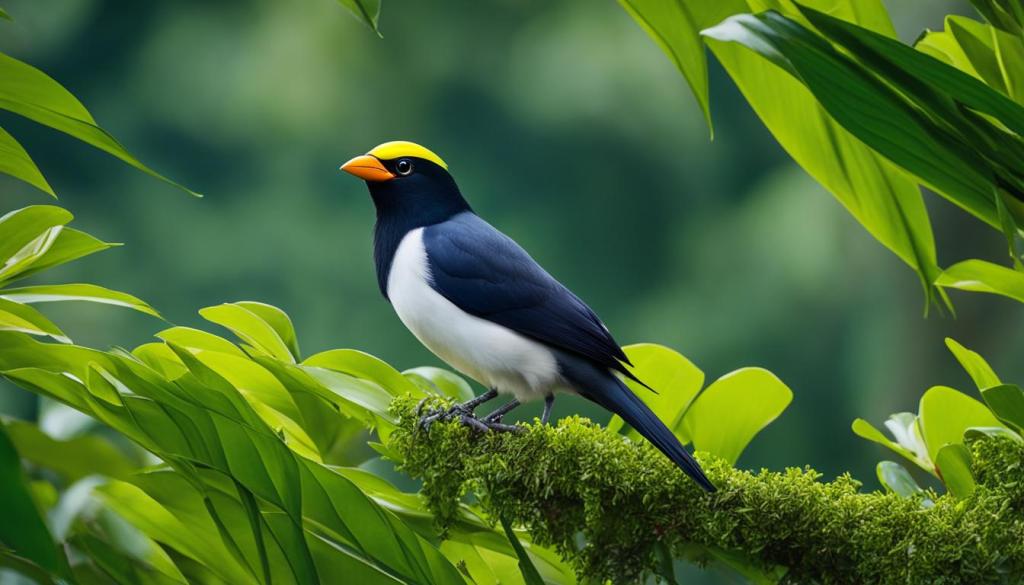
    One standout spot is West Bali National Park. It’s a protected area that’s home to the endangered Bali myna (this bird looks like it’s dressed for a formal event—pure white feathers with a pop of blue around the eyes). Seeing one in the wild? Unreal. The park also has wild deer, monitor lizards, and even black monkeys. And pro tip: If you’re into snorkeling or diving, the reefs around Menjangan Island—part of the park—are insane. Think Finding Nemo vibes but IRL.

    Oh, and let’s not forget Monkey Forest in Ubud. This place is equal parts charming and chaotic. The long-tailed macaques are everywhere, and while they’re cute, they’re also professional snack thieves. Don’t even think about bringing food unless you want an uninvited monkey mob in your face. Trust me, I learned this the hard way.

    Choosing the Right Nature Tour Package

    Here’s where things can get a little overwhelming: there are so many options. Like, every tour operator and their grandma seems to offer a wildlife or nature package. How do you pick? The secret is figuring out what kind of vibe you’re after.

    • For the Adventurous: Look for trekking tours in the Mount Batur region. You start hiking in the pitch dark (bring a flashlight!), and by sunrise, you’re at the top of a volcano with jaw-dropping views. Some tours even include a guide who’ll boil eggs in the volcanic steam for breakfast. How cool is that?
    • For the Chill Seekers: Go for a river cruise along the Ayung River. It’s less about the wildlife and more about soaking in the jungle scenery. You’ll float past waterfalls, hidden temples, and if you’re lucky, spot a heron or two.
    • For Animal Lovers: Visit the Bali Safari & Marine Park. It’s perfect if you’re traveling with kids or just want a guaranteed look at wildlife like tigers, elephants, and orangutans. Some packages even let you have breakfast with a lion (don’t worry, there’s a glass wall between you).

    What to Watch Out For

    Not all tour packages are created equal, and some are straight-up tourist traps. Always, always read reviews. If the price seems too good to be true, it probably is. I once booked a “jungle tour” that turned out to be a bumpy van ride through some farmlands—not exactly the Tarzan experience I was expecting.

    Also, some operators claim to offer “ethical” animal interactions, but a quick Google search will tell you otherwise. If you’re visiting places with elephants or monkeys, do your homework. Bali Elephant Sanctuary, for example, has solid reviews and puts the animals first.

    And can we talk about gear for a second? Wear proper shoes, people. Flip-flops might be great for the beach, but they’re not gonna cut it on a muddy jungle trek. I learned this the hard way when I slipped and ended up with a very unflattering backside photo, courtesy of my guide.

    Unexpected Gems You Shouldn’t Miss

    Here’s the thing about Bali: the best spots aren’t always on the main tourist trail. One place I stumbled upon was the Sacred Bali Butterfly Park. It’s smaller and less hyped, but if you love nature photography or just want a break from the crowds, it’s a gem. Plus, holding a butterfly the size of your hand? Magical.

    Another lesser-known highlight is Sekumpul Waterfall. It’s a bit of a trek to get there (think steep stairs and a river crossing), but it’s 100% worth the effort. The falls are massive, and the misty jungle backdrop makes you feel like you’re in a movie.

    Getting the Most Out of a Bali Wildlife Tour

    Alright, let’s get real for a second—planning a wildlife tour in Bali isn’t always as straightforward as it sounds. Some packages promise the world but don’t deliver much more than a crowded van and a rushed itinerary. To avoid that mess, here’s what worked for me (after making a few rookie mistakes).

    First, don’t cram too much into one day. Bali may look small on the map, but trust me, getting around takes time. Between winding mountain roads and scooters zipping everywhere, you’ll need some buffer time to actually enjoy the sights. When I tried to do a sunrise hike at Mount Batur and a jungle trek in the same day, I ended up exhausted and barely appreciated either. Lesson learned: pick one main activity per day and savor it.

    Second, ask questions before booking. I know, who has time for that, right? But seriously, a quick WhatsApp chat with the tour operator can save you a lot of frustration. Ask stuff like:

    • How big is the group? (Smaller is better for a more personal experience.)
    • What’s included in the price? (Meals, transport, entrance fees?)
    • Are there extra costs for things like snorkeling gear or guides?

    Lastly, trust the locals. Some of the best wildlife experiences I had weren’t from big-name operators. A local guide I met in Munduk offered to show me hidden waterfalls, and it turned into the highlight of my trip. Plus, supporting local guides often means your money goes directly into the community instead of a big tour company. Win-win.

    Wildlife You’ve Gotta See in Bali

    Now, let’s talk about the stars of the show: the animals. Bali’s not like an African safari, but it’s got its own unique lineup of creatures that’ll leave you speechless. Here are a few you shouldn’t miss:

    1. Bali Starlings (Bali Mynas):
      These birds are crazy rare—like, less than 100 in the wild rare. If you’re lucky enough to spot one in West Bali National Park, consider it a once-in-a-lifetime moment. Pro tip: bring binoculars. I didn’t, and squinting at white blobs in the distance just isn’t the same.
    2. Long-Tailed Macaques:
      Love ‘em or hate ‘em, these monkeys are everywhere. You’ll see them in places like Ubud’s Monkey Forest, but they’re also known to hang out near temples like Uluwatu. Just keep your valuables close—they’ve been known to snatch sunglasses, cameras, and even flip-flops.
    3. Sea Turtles:
      If you’re into marine life, head to Turtle Conservation and Education Center in Serangan. They rescue injured turtles and run programs to release hatchlings into the wild. Bonus: it’s hands-on, so you might get to help release baby turtles into the ocean.
    4. Flying Foxes:
      These massive fruit bats are as fascinating as they are a little creepy. You can see them hanging out in trees during the day or swooping through the sky at dusk. Some temples, like Goa Lawah (Bat Cave Temple), are famous for their bat populations.
    5. Monitor Lizards and Deer:
      If you visit Menjangan Island, you’ll probably spot these guys chilling in the sun. They’re not as flashy as the monkeys, but there’s something super cool about seeing them in their natural habitat.

    Packing Essentials for Your Nature Tours

    Here’s where I got it wrong at first. I thought, “It’s Bali—just bring flip-flops and a water bottle.” Nope. Here’s what you actually need:

    • Hiking Shoes: Even if you’re just doing a short trek, the terrain can be slippery and uneven. Trust me, flip-flops will betray you.
    • Bug Spray: Mosquitoes in Bali don’t mess around. If you forget this, you’ll spend the next day scratching like crazy.
    • Snacks: Some tours include food, but it’s not always filling. I always pack some granola bars or trail mix—hangry is not a good look on a jungle trek.
    • Reusable Water Bottle: Hydration is key, and many places in Bali are eco-conscious, so you can refill your bottle instead of buying plastic ones.
    • Camera or Phone with Extra Battery: You’ll want to capture the magic, and let’s be real—your phone will probably die halfway through the day if you don’t plan ahead.

    The Best Time to Visit Bali for Wildlife

    Timing is everything when it comes to nature tours. Bali’s dry season (April to October) is hands-down the best for outdoor activities. You’ll get sunny skies, fewer bugs, and easier trekking conditions.

    That said, the wet season (November to March) has its perks too. The jungles are greener, the waterfalls are more powerful, and there are fewer tourists around. Just be prepared for sudden rain showers. A lightweight rain jacket or poncho is a lifesaver—learned that the hard way when I got drenched on a jungle trek.

    A Few Personal Fails (And What You Can Learn from Them)

    I feel like no travel blog is complete without a little honesty about the things that didn’t go as planned. Like the time I thought I could just wing a jungle trek without a guide. I ended up lost, drenched in sweat, and possibly more mosquito bites than skin. Pro tip: don’t underestimate how dense the jungles are—always go with a guide.

    Another classic fail was underestimating the monkeys in Ubud. I was snapping a selfie with one (bad idea) when another monkey snatched the bag of peanuts from my pocket. Rookie move, I know. Lesson learned: no food near the monkeys, ever.

    Alright, that’s enough from me for now. Whether you’re a wildlife enthusiast, a nature lover, or just someone looking to experience a different side of Bali, these tours offer something unforgettable. Dive into the island’s wilder side, take it slow, and don’t stress if things don’t go perfectly. After all, half the fun is in the unexpected moments, right?

    So, what’s stopping you? Lace up your hiking boots, pack that bug spray, and get out there. Bali’s waiting!

Design a site like this with WordPress.com
Get started