Blog

  • The Best Family-Friendly Resorts in Ubud Bali for Relaxation, Adventure, and Real Quality Time

    The Best Family-Friendly Resorts in Ubud Bali for Relaxation, Adventure, and Real Quality Time

    If you’re traveling with kids, grandparents, or even a big blended family, finding the best family-friendly resorts in Ubud Bali can feel like hunting for that one toy piece your toddler swears is under the couch. It’s tricky, but once you land on the right spot, everything just clicks. Ubud isn’t just rice terraces and yoga retreats—it’s actually one of the best places in Bali for families who want culture, nature, and a bit of luxury rolled into one. I’ve stayed in a few of these resorts myself (sometimes with kids in tow, sometimes with friends who brought theirs), and I can tell you, not all “family-friendly” labels are created equal.

    Some resorts in Ubud genuinely think about what families need: big villas where siblings aren’t squished together, kids’ clubs that don’t feel like an afterthought, food options that go beyond “nuggets and fries,” and pools where parents can sip a coconut while kids go full mermaid mode. Others… let’s just say they’re more like romantic escapes that happen to tolerate kids. Big difference.

    So, let me walk you through the ones that actually deliver on the promise.

    Why Ubud is Perfect for Family Vacations

    Before diving into resort names, let’s talk about why Ubud is such a solid choice for families compared to, say, Kuta or Seminyak. Those beach areas? Fun, sure, but a little chaotic if you’ve got small kids. The traffic alone can be stressful enough to send you hunting for a second Bintang by noon.

    Ubud is different. It’s quieter, surrounded by rice paddies, waterfalls, and jungle hikes that even kids can handle. You get monkeys at the Sacred Monkey Forest (though I’ve learned the hard way: hide the snacks, unless you want to be ambushed), art workshops where kids can paint or try batik, and cooking classes where teens might actually put their phones down because pounding spices in a mortar is weirdly satisfying.

    Plus, many of the resorts here are designed like little villages—private villas, open-air restaurants, and staff that somehow remember every kid’s name after the first day. According to data from Indonesia’s Ministry of Tourism, family travelers to Bali are increasingly choosing central destinations like Ubud because of safety, nature, and cultural experiences. That’s not marketing fluff, that’s government-backed numbers.

    The Best Family-Friendly Resorts in Ubud Bali

    Let’s get to the good stuff. These are the resorts that keep coming up in conversations with other parents, in traveler forums, and in my own experience.

    The Westin Resort & Spa Ubud – Stress-Free Luxury with Kids in Mind

    The Westin brand has a reputation for family travel, and their Ubud property nails it. If you’ve got little ones who wake up at 6 am no matter what timezone they’re in, this place makes mornings less painful. Their kids’ club, called Westin Family Kids Club, has legit activities—Balinese dance lessons, nature scavenger hunts, even cooking classes for kids.

    What I liked most when I stayed here was how the staff went out of their way to adjust things. My nephew is a picky eater, and the chef literally came out to chat with him and then made a “not-on-the-menu” spaghetti that saved us from a meltdown. The pool area is designed so kids can splash in one section while adults get some peace on sun loungers just a few meters away.

    Rooms are spacious, which is crucial. You don’t want to feel like sardines after a long day. And if you’re traveling with grandparents, they’ve got connecting suites that make life way easier.

    The Lokha Ubud Resort – For Families Who Like Privacy

    Now, if your family likes a bit more seclusion, The Lokha is tucked in the jungle near Campuhan Ridge. Villas here come with private pools, which means kids can cannonball to their heart’s content without disturbing other guests.

    I once booked this place for a friend’s family trip, and their feedback was gold: mornings were spent walking the rice fields (short enough for kids to not complain, but still “Instagram-worthy”), and evenings were for family dinners in the villa courtyard. The resort staff arranged babysitting when parents wanted to sneak out for a couples massage.

    It’s not flashy, but that’s the point—it feels like a private sanctuary where families can actually spend time together without constant distractions.

    Alila Ubud – Culture Meets Comfort

    Alila isn’t marketed exclusively as “family,” but it works beautifully for multi-gen travel. The infinity pool here is iconic (seriously, it’s one of the most photographed pools in Bali), and kids are welcome in it. They even organize family cooking classes where you can all try making satay and lawar together.

    One of my favorite touches? The storytelling nights. Balinese myths told by locals under the stars—it kept the kids engaged longer than I expected. Plus, the monkeys that roam around the property were a source of endless amusement. Though, word of advice, don’t leave snacks unattended in your villa. I learned that one the hard way.

    Padma Resort Ubud – The All-in-One Family Favorite

    Padma is often at the top of family travel lists, and for good reason. If you want a resort where you don’t have to plan much because everything is already there, this is the one. The kids’ club here is like a mini theme park—indoor play areas, outdoor activities, even traditional craft workshops.

    Their pool is enormous, with a water slide that kept my nieces entertained for literal hours. The family rooms are thoughtfully designed with bunk beds, so kids actually want to go to bed (small miracles). And while the kids are occupied, adults can sneak off for yoga or just relax at the spa.

    Food-wise, Padma caters to every age. They do themed buffets that are fun for kids, and if you’ve got adventurous eaters, they’ll love trying Balinese specialties without you having to drag them outside the resort.

    Kamandalu Ubud – Villas That Feel Like Home

    Kamandalu is a resort that balances traditional Balinese vibes with modern comforts. Families love it because the villas have enough space for everyone, and some come with private pools. There’s also a “floating breakfast” option that’s a hit with older kids and teens (yes, it’s Instagram bait, but also fun).

    One of the cool things here is their family yoga classes. I joined one with a group that included kids as young as 5, and the instructor was surprisingly good at keeping them engaged. Not easy.

    And while it feels upscale, the atmosphere isn’t overly formal. You don’t feel guilty when your toddler decides to run circles around the restaurant. Staff just smile and bring out crayons.

    Sthala, a Tribute Portfolio Hotel – Riverside Relaxation

    This resort sits along the Wos River, which gives it a calm, scenic vibe. Families who like outdoor activities will appreciate the cycling tours and nature walks organized by the hotel. They even offer a riverfront picnic setup that kids absolutely love.

    When I stayed here, I noticed how genuinely attentive the staff were. A family nearby had a kid who wasn’t feeling well, and the staff quickly arranged a doctor and helped them without fuss. That kind of care makes a big difference when you’re traveling with children.

    The pool is family-friendly, and rooms are big enough to fit extra beds without feeling cramped. Plus, being slightly outside central Ubud means it’s quieter, which helps kids (and adults) sleep better.

    What Makes a Resort Truly “Family-Friendly” in Ubud?

    Here’s the thing—“family-friendly” is one of those words that can mean anything. Some places slap it on their website because they allow kids, but that doesn’t mean they’re actually equipped for families. From my experience, these are the things that separate the real family resorts from the wannabes:

    • Space: Rooms or villas that don’t make you feel like you’re living out of a suitcase. Families need breathing room.
    • Pools with shallow areas: Sounds obvious, but you’d be surprised how many resorts don’t think about kids in the pool design.
    • Kids’ clubs that don’t feel like babysitting warehouses: The good ones offer cultural activities—painting, cooking, dance—not just cartoons on a TV.
    • Food variety: Resorts that understand kids might want pizza one day, and nasi goreng the next.
    • Staff who actually like kids: This is intangible but makes all the difference. When staff genuinely interact with children, it changes the whole stay.

    Extra Tips for Families Booking Resorts in Ubud

    Since I’ve been through the family-travel circus more than once, let me share a few little things I’ve learned:

    • Location matters. Staying too deep in the jungle sounds romantic until you realize it’s a 30-minute car ride every time you need diapers or snacks. Balance seclusion with accessibility.
    • Check the kids’ club age limits. Some are only for 4 years and up, which leaves parents with toddlers juggling babysitting services.
    • Consider multi-gen setups. If you’re traveling with grandparents, connecting suites or two-bedroom villas save a lot of hassle.
    • Transportation services. Some resorts provide shuttles into central Ubud, which is a lifesaver if you don’t want to deal with taxis every day.
    • Wellness for parents. Let’s be honest, a family trip can be exhausting. Resorts that offer babysitting or evening kids’ programs give parents a chance to recharge.

    Why Families Keep Returning to Ubud

    Here’s the truth: once families try Ubud, many of them skip the busier parts of Bali on their next trip. They realize that their kids can run around safely, they can explore without constant stress, and they get to experience something beyond just beaches.

    I’ve had friends tell me their kids still talk about feeding fish at a resort pond or painting wooden masks at a kids’ workshop long after the trip ended. That’s what family travel should be about—creating little memories that stick.

    And honestly, as a parent or even just the designated “fun uncle,” nothing beats seeing kids wide-eyed because they’ve spotted a monkey or learned to say “terima kasih” to the staff.

    Read also: What to Do in Canggu Bali

    When’s the Best Time to Visit Ubud with Family?

    One thing people often forget when booking is timing. Ubud can feel like a completely different place depending on the season. The dry season (April to October) is usually the safest bet, especially if you’ve got young kids. Less chance of rain ruining your outdoor plans, and walking around rice fields is way less muddy. That said, I’ve traveled here during rainy season too, and while the downpours can be heavy, they usually don’t last all day. Resorts often turn rainy afternoons into fun—arts and crafts at the kids’ club, indoor cooking classes, or Balinese music lessons.

    Crowds are another factor. July and August are peak times, so expect busier streets in central Ubud and higher prices. If you can swing it, May, June, or September are golden months—weather’s great, fewer tourists, and you can usually score better deals on villas.

    And don’t stress too much about kids adjusting to Bali’s slower pace. Ubud’s family-friendly resorts are pros at keeping them entertained. While you’re sipping coffee overlooking rice terraces, your kids might be learning how to fly a traditional Balinese kite. It’s that mix of downtime and cultural immersion that makes Ubud such a solid family choice.

  • What to Do in Canggu Bali When You’re Overwhelmed by Too Many Damn Options

    What to Do in Canggu Bali When You’re Overwhelmed by Too Many Damn Options

    So, you’re headed to Bali and someone said, “Dude, you HAVE to check out Canggu.” Yeah, I heard the same thing. When I first landed in Denpasar and made my way up the coast to this little surf-meets-hipster heaven, I was straight-up overwhelmed. Like, what to do in Canggu Bali? It’s not exactly a one-note town.

    You’ve got surf culture, digital nomad coffee dens, Instagrammable cafes, yoga shalas, beach bars that turn into full-blown raves, and rice paddies that make you question your whole life back home. So yeah, let’s break it down—real talk, no fluff, and a bit of the behind-the-scenes stuff that most blogs skip.

    Read also: Best Beach Resorts in Bali

    Surf First, Ask Questions Later — Or Just Watch If You Suck Like I Did

    Let’s not kid ourselves—surfing is practically a religion in Canggu. Echo Beach, Batu Bolong, and Berawa Beach are the holy trinity for surfers. Whether you’re an actual wave chaser or just pretending because your Bumble date surfs, there’s something for everyone.

    I tried surfing at Batu Bolong on my third day there. Big mistake. Should’ve tried it on the first day so I could recover in time to walk properly the rest of the week. The white water breaks are beginner-friendly—if your version of “friendly” includes swallowing gallons of salt water and face-planting in front of strangers. But it’s part of the charm.

    Here’s what I learned:

    • Don’t rent the board from the first guy you see. Walk a bit. You’ll get a better deal.
    • Lessons are cheap. Like, $10–15 USD per hour kind of cheap.
    • Mornings are less crowded. Plus, fewer people watching you wipe out.

    If you’re more of a “watch and sip” kinda person, The Lawn and Old Man’s Beach Bar have beach views with cocktails. I may or may not have faked a sore shoulder just to get back to the beanbags and coconut mojitos.

    Coffee Shops in Canggu That’ll Make You Forget Starbucks Ever Existed

    Canggu is where lattes and laptops live in perfect harmony. I’d be lying if I said I didn’t spend entire afternoons at places like Crate Cafe or BGS Bali. If you’re working remotely or just pretending to be productive so you don’t feel guilty about that fourth smoothie bowl, this is your paradise.

    What sets Canggu’s coffee scene apart? It’s the vibe. Every place feels like it was designed by a Scandinavian interior designer who surfs before breakfast. Add fast Wi-Fi and banana pancakes, and you’re golden.

    My faves (don’t @ me if your list is different, it’s personal):

    • Crate Cafe: Insanely good breakfast, but it gets packed. Go early.
    • BGS: Cold brew on tap, and everyone there looks like they model for Patagonia. Chill crowd.
    • Rise & Shine: More low-key, great spot to read or journal if you’re that kind of person.

    Also, some spots double as co-working spaces, so if you need to hop on Zoom or crank out some emails, you’re set. Just don’t be that person with AirPods in and no drink for two hours.

    Yoga, Breathwork, and All That “Finding Yourself” Stuff

    Even if you’re not a yogi back home, Canggu has a way of soft-selling you into the whole wellness thing. I came in just trying to stretch out after a long flight. Next thing I knew, I was deep into a breathwork class, crying in Savasana like I’d just watched the season finale of The Office again.

    The Practice and Samadi Bali are two spots that completely won me over. The teachers are grounded and actually give a crap about helping you, not just posing for Instagram. If you’ve ever said, “Yoga’s not for me,” give it one try here. Canggu makes it different somehow.

    Plus, you can hit up a sound bath, get a Balinese massage for $10, and eat raw vegan everything after. Or not. You do you. Just know that self-care feels more like a way of life here than a trend.

    Exploring Canggu Beyond the Beach — Yes, It’s Possible

    Canggu isn’t just beaches and brunch, even though those are two solid reasons to love it. Rent a scooter (you will need one), and start exploring the backroads. Within minutes, you’re out of the digital nomad bubble and into rice paddies that look like they came out of a freakin’ painting.

    There’s something magical about riding past temples, waving at locals, and finding these tiny warungs (local eateries) with food that’ll blow your mind for under $2. I stopped at one near Tumbak Bayuh with no name—just a handwritten menu on cardboard. Best nasi campur I’ve had in my life.

    Also worth checking out:

    • Tanah Lot Temple: Go early to avoid tour buses. Yes, it’s touristy but it’s iconic for a reason.
    • Pererenan Village: Less crowded, way more chill, and still has cute cafes like Honey Kitchen.
    • Local markets: Love Anchor is cute, but check out Samadi Sunday Market for actual local vendors.

    And hey—getting lost here is half the fun. Don’t follow Google Maps too seriously. You might just end up at some private rice terrace or little hidden waterfall. That happened to me twice.

    Where to Party Without Losing Your Mind (or Wallet)

    Alright, let’s talk nightlife. Canggu parties hard, but it’s not (yet) the full-on chaos of Kuta or Seminyak. Think more “dancing barefoot on the sand” than “foam party in a club with no windows.”

    Old Man’s is the spot most people start at. Drinks are cheap, music is decent, and everyone ends up sweaty and barefoot by midnight. Don’t wear heels unless you enjoy pain.

    La Brisa is another one that’s straight-up stunning. It’s pricier but worth it for the vibe—think treehouses meets pirate ship with fairy lights. Their Sunday markets are also cool if you wanna browse local crafts in daylight.

    For live music, Deus Ex Machina on Sundays has that surfer-band-meets-motorbike-garage aesthetic. A bit niche, but the crowd is usually laid-back, and the beer flows easy.

    Oh, and Wednesdays? That’s Sand Bar night. The beach turns into a DJ-fueled dance floor until 4AM. Just pace yourself, alright?

    Eating Your Way Through Canggu Like a Local (Or at Least Pretending To)

    Okay, let’s be real—half of what to do in Canggu Bali revolves around food. And yeah, the cafes with neon signs and smoothie bowls shaped like art are great, but don’t miss out on the actual local stuff.

    You haven’t really eaten in Canggu until you’ve tried:

    • Nasi Campur at a street-side warung. Pick your rice, add whatever meats, veggies, tempeh, sambal, etc.
    • Babi Guling (roast suckling pig). It’s intense. Rich. Flavor bomb city.
    • Ayam Betutu if you’re feeling fancy and spicy. It’s slow-cooked chicken and herbs, super Balinese.

    My go-to warung is Warung Bu Mi. It’s like a cafeteria setup, and locals and expats line up around noon. Don’t expect smiles or flair—just incredible food that makes you rethink why you ever paid $15 for avo toast.

    Also, Canggu’s vegan scene is outta control (in a good way). Even meat-lovers should hit The Shady Shack or Give Cafe at least once. Full-on flavor with none of the animal guilt.

    Insta-Spots That Are Actually Worth It (And a Few That Aren’t)

    I’m not gonna act like I didn’t go to Canggu partially for the gram. Everyone does. But some places? Pure hype. Others? Legit beautiful.

    Worth it:

    • La Brisa Bali: Sunset here is next level. You’ll need a minimum spend, but the photos you’ll get? Chef’s kiss.
    • Echo Beach at sunset. Fewer influencers, more dogs running around and locals playing soccer.
    • Tanah Lot at dusk: Glowy light, crashing waves, and the temple silhouette—classic.

    Overrated AF:

    • The giant Canggu sign mural. You’ll wait 20 mins for a basic wall shot. Just walk past.
    • That heart-shaped swing thing near The Lawn? Meh. Feels forced.

    Don’t forget, Canggu is naturally photogenic. Some of my favorite shots came from backroad scooter rides, random dogs chilling in the sun, and that one time a monkey tried to steal my banana smoothie.

    Shopping in Canggu Isn’t Just for the Bougie Crowd

    Canggu’s got a bit of everything shopping-wise—boho boutiques, surf shops, and enough flowy linen to outfit a yoga retreat. Yes, prices can be steep if you’re sticking to the tourist strip, but with a little exploring, you’ll find the real stuff.

    Berawa has some cool local designers doing handmade jewelry and upcycled clothes. I snagged a sick leather wallet for like 150K IDR (around $10 USD), and it’s still holding strong months later.

    Love Anchor Bazaar is the Instagram hotspot, but half the vendors sell identical things. Still, it’s fun for browsing, and you can haggle a little.

    Also—don’t sleep on second-hand stores. Some of the best vintage shirts I’ve found were in these tucked-away places near Jalan Pantai Berawa. Just keep your eyes open and dig.

    Quick Tips for Not Dying on a Scooter (And Getting Around Without Losing It)

    If you’re asking, “Do I really need a scooter in Canggu?” the answer is yes—unless you enjoy sweating buckets while walking along dusty roads with no sidewalk and a dog barking at you every block.

    That said, scooters here are chaos. No traffic lights, dogs on the road, locals going 80km/h in flip-flops.

    What helped me:

    • Get a helmet. A real one. Not the decorative kind.
    • Start slow. Practice in the smaller side roads before hitting main traffic.
    • Use Google Maps, but expect it to lie. It once sent me into a rice field shortcut that dead-ended in a mud pit.

    Alternative? Gojek or Grab (like Uber for scooters/taxis). Super cheap, super fast, and you don’t have to worry about parking.

    That’s most of what to do in Canggu Bali—at least, the stuff worth doing without getting burned out or bored. Honestly, the magic of Canggu isn’t in a list. It’s in the rhythm you find once you settle in. Mornings at the beach, mid-day coffee breaks, random market stops, and that sunset that hits different every single day.

    Yes, There Are Dogs Everywhere. And Yes, You Should Know a Few Things

    You’ll notice pretty quick that Canggu has dogs — everywhere. Street dogs, beach dogs, scooter dogs (literally standing on the floorboards like pros), café dogs, even a few that look like they run the joint. It’s kinda adorable… until one follows you home or barks at you for no reason while you’re carrying groceries.

    Some are strays, some belong to locals, and most are totally harmless. But it’s good to stay aware. I once had a big boi chase my scooter because he thought I was holding food (I was). Freaked me out, but a local told me later to slow down — not speed up — and let the dog get bored. Wild tip, but it worked.

    If you’re a dog lover, you’ll fall hard for these pups. Just… don’t try to pick them up like they’re domesticated house pets. They’re independent little things. Also, if you’re gonna stay long-term, consider volunteering at Bali Dog Adoption & Rehabilitation Centre (BARC). Cool folks doing great work.

    Choosing Where to Stay So You’re Not Surrounded by Party Bros (Unless That’s Your Thing)

    Accommodation in Canggu is ridiculously varied. You can go full-on budget, like shared dorm beds for under $10 a night, or luxury villa with private pool and floaty breakfast for $200+. And everything in between.

    But location matters more than price here. Canggu’s split into a few key areas:

    • Batu Bolong: Where most of the action happens. Cafes, shops, beach bars. But expect crowds.
    • Berawa: A little more upscale, still vibey, but slightly quieter. I stayed here for a month and loved it.
    • Pererenan: My favorite. More local, more chill, but still super close to the main stuff.

    Thing is, what looks cute online might be next to a construction site or a rooster that thinks 3AM is the perfect time to scream at the sky. So read reviews carefully. Better yet, book a few days at a mid-range place, then look around on foot once you’re there.

    Oh, and if you’re staying longer than a couple weeks, you’ll find way better deals via local Facebook groups like “Canggu Community Housing” or just asking around. That’s how I got a place with a pool and fast Wi-Fi for under $500/month.

    Random Little Things Nobody Tells You (But Should)

    Alright, lightning round — just some stuff I wish someone had told me:

    • ATMs: Not all are created equal. Some eat cards, some charge crazy fees. Stick to BCA or BNI.
    • Power outages happen. Usually short, but annoying if you’re mid-shower or mid-Zoom call.
    • Laundry is done by the kilo. Drop it off in the morning, get it back folded and smelling like a spa by night.
    • Don’t drink the tap water. Seriously. Even for brushing your teeth, use bottled or filtered water.
    • Rainy season (Nov–Mar) means heavy but quick downpours. Bring a poncho, not an umbrella. You’ll thank me later.

    Canggu’s weirdly perfect in its imperfections. It’s the kind of place where nothing goes exactly how you planned… and yet somehow everything still works out. You end up making friends over sunrise beach walks, bonding with strangers in line at smoothie stands, or getting life advice from your scooter rental guy named Komang.

    So yeah — Canggu’s got layers. Just take it day by day, follow your gut, and don’t stress if you spend one too many hours just people-watching from a cafe window. That’s kinda the whole point.

  • Best Beach Resorts in Bali for Every Kind of Trip: Romantic Getaways, Surf Stays, Family Vacations & Budget Escapes

    Best Beach Resorts in Bali for Every Kind of Trip: Romantic Getaways, Surf Stays, Family Vacations & Budget Escapes

    So, let’s be honest for a sec: When people search for the best beach resorts in Bali, what they’re really looking for is a place that’s more than just a comfy bed and decent WiFi. They’re hunting for that dream combo — ocean views that slap, cocktails you’ll remember (or not), a pool you’ll never want to leave, and maybe that feeling that life doesn’t get better than this.

    Read also: Beginner-Friendly Hikes in Bali

    And if you’ve ever been to Bali — or even just scrolled through #Bali on Instagram — you know there’s a lot of hype. But not every beach resort lives up to it. Some spots are total bangers, others… meh, they photograph better than they actually are.

    I’ve spent the last 12 years helping travelers find their sweet spot in Bali, and trust me, I’ve seen it all — the high-end places where everything smells like eucalyptus, the boho villas where you’re basically sleeping in a Pinterest board, and the budget joints that somehow slap way above their weight.

    So let’s break down what actually makes a beach resort in Bali worth it, where to go depending on your vibe, and some weird-but-true tips you won’t find on the booking sites.

    What Makes the Best Beach Resorts in Bali Actually “The Best”?

    This question hits hard, ‘cause everyone’s version of “best” is different. For some folks, it’s about beachfront yoga at sunrise. For others, it’s a floating breakfast and bottomless mojitos.

    Here’s the deal: a top-tier beach resort in Bali usually nails these five things:

    • Location (Are you actually ON the beach or just “near” it?)
    • Room comfort (Big bed? Killer views? Outdoor shower maybe?)
    • Vibe (Romantic, party, chill, family-friendly, Instagram-y?)
    • Food & drinks (Local flavors + Western faves, good coffee = key)
    • Value for money (Is it actually worth the price tag?)

    And just a quick heads-up — “5-star” doesn’t always mean awesome. I’ve stayed in some so-called luxury resorts where the AC barely worked, and a $20-per-night guesthouse down the road had better service. So take stars with a grain of salt.

    Best Beach Resorts in Bali For Couples Who Want That Sweet Romance

    Ah yes, the lovebirds. Honeymooners, babymooners, or just two people trying to escape life for a hot minute — Bali has you covered.

    The Mulia, Nusa Dua – Over-the-Top in the Best Way

    This place is luxury with a capital L. Giant suites, beachfront infinity pools, champagne brunches that go all morning… yeah, it’s extra. But in the best possible way.

    Nusa Dua is calm, clean, and less crowded than places like Kuta or Seminyak. Great if you just want to soak in that honeymoon haze and not deal with scooter traffic or beach hawkers selling fake Ray-Bans.

    The Mulia’s beachfront bar is unreal at sunset. Like, I’ve seen grown men cry happy tears with a cocktail in one hand and their toes in the sand.

    Tip: Book the rooms with ocean views — worth every damn rupiah.

    La Joya Biu Biu, Bingin – Small, Secluded, Super Romantic

    Okay, this one’s a bit more low-key. It’s perched on a cliff near Bingin Beach, which already gives it major sunset credit. The vibe is intimate — think cozy villas with private plunge pools and no big hotel crowds.

    If you’re the kind of couple who likes exploring tucked-away beaches and chilling in hammocks, this place is your jam.

    Bingin itself is one of those beaches that’s better suited for bare feet and books, not beach clubs and bottle service. You walk down a ton of stairs to get there — but once you do, you’re in paradise.

    Best Beach Resorts in Bali If You Wanna Party, Swim, and Snap Instagram Pics

    Not everyone’s in Bali to sip herbal tea and do silent meditation. If you’re here for beach clubs, pool floats, and cocktails that come with a sparkler, keep reading.

    Potato Head Suites, Seminyak – Stylish and Social

    Potato Head is basically a lifestyle now. The beach club itself is iconic — daybeds, DJs, giant coconut cocktails. But the suites are next-level if you wanna stay where the action is without dealing with messy hostels.

    It’s artsy, modern, and surprisingly eco-friendly (they even use recycled materials for the interiors). You can party downstairs, then disappear to your quiet suite when you’re done being social.

    Seminyak Beach is just steps away, and the sunsets here are fire. You’ll see photographers, couples, TikTok dancers — it’s a vibe.

    This area is tourist-heavy, so if you want peace and quiet, maybe skip it.

    W Bali, Seminyak – Loud, Luxe, and Legendary

    Yeah, the W is not cheap — but if you’ve got cash to burn and want the full VIP experience, go for it. Giant pool with ocean views, rooms with bathtubs the size of small cars, and room service that doesn’t judge your 2am nasi goreng order.

    The crowd here? Mostly young-ish travelers, influencers, and digital nomads with ring lights in their bags. But the service is genuinely amazing. I once stayed here during a storm and the staff brought me ginger tea without me even asking. Like, psychic level service.

    Best Beach Resorts in Bali If You’re Traveling With Kids or Family

    I’ve had plenty of families ask, “Where can we stay that has a great beach, space for the kids, but isn’t boring for the adults?” Luckily, Bali does family-friendly without going full Disney.

    Holiday Inn Resort Baruna, Kuta – Surprisingly Chill For Kuta

    Yes, I know what you’re thinking — “Kuta? For families??” But hear me out. This isn’t the Kuta of beer bongs and budget backpacks.

    The Holiday Inn Baruna is tucked on the quieter side, with a gorgeous beachfront and loads of stuff for kids: pools, play areas, and even a kids’ club that’ll entertain them while you sneak off for a spa sesh.

    Food here is solid, and it’s close to the airport, which makes it great for short stays or pre-flight chill sessions.

    Meliá Bali, Nusa Dua – Family-Friendly + Fancy

    This one’s got that all-inclusive feel without the cheesy vibes. Massive gardens, a huge lagoon-style pool, direct beach access, and a bunch of activities for kids.

    I had a family from Sydney stay here last year — mom got her massage time, dad went paddleboarding, kids made Balinese crafts — everyone was happy.

    The beach in Nusa Dua is calm, which is perfect if your kids are more splashers than surfers.

    Best Affordable Beach Resorts in Bali That Don’t Feel Cheap

    Sometimes you just want a solid beach resort without maxing out your credit card. Good news — Bali’s got plenty of those.

    The Palms Canggu – Chill, Cheap, and Close to the Beach

    Canggu used to be a sleepy surf town — now it’s packed with cafes, co-working spots, and yoga bunnies. But The Palms has managed to keep things simple and affordable, while still being just a few minutes from the beach.

    The rooms are basic but clean, and there’s a pool, free WiFi, and banana pancakes at breakfast. What more do you need, honestly?

    Plus, it’s close to Echo Beach and Batu Bolong — two great spots for watching surfers wipe out with style.

    Rama Beach Resort, Tuban – Quiet and Budget-Friendly

    This one’s not far from the airport but feels surprisingly peaceful. It’s not smack on the beach, but a short walk gets you there, and the price is right.

    I’ve recommended this place to loads of solo travelers and couples on a budget, and the feedback’s been consistently good: nice pool, super sweet staff, and decent restaurant on site.

    Bonus — it’s way quieter than staying in central Kuta.

    Best Beach Resorts in Bali For Surf Lovers Who Want Sand + Swells

    If you’re in Bali for the surf — respect. And yes, there are beach resorts that get you close to the action without making you sleep in a sandy hostel bunk bed.

    Uluwatu Surf Villas – Oceanfront And Epic

    These villas are basically built into the cliffs above some of Bali’s most famous breaks. Surfers drool over the location — Padang Padang, Uluwatu, and Impossibles are all nearby.

    You wake up, drink your coffee overlooking the ocean, then paddle out within minutes. The villas themselves are rustic-chic, super spacious, and come with that natural wood aesthetic that Bali’s famous for.

    Even if you don’t surf, the views are next-level.

    Komune Resort, Keramas – Waves Right Out Front

    Keramas is on the east coast, so it’s not quite as tourist-heavy — but the surf here is fire. Komune Resort is right on the beach, and I mean that literally. You can sip a coconut and watch the waves from your lounger.

    It’s got this laid-back surfer vibe but still feels like a proper resort. They also have night surfing with floodlights. No joke.

    Great food, solid spa, and they do sustainability right. Big win all around.

    My Personal Takeaways From Visiting All These Beach Resorts in Bali

    Look, after more than a decade of helping travelers plan Bali trips — and sneaking in my own staycations here and there — here’s what I’ve learned.

    • Don’t judge a place by Instagram. Some resorts look amazing online but feel soulless in person. Others look basic and turn out to be warm, welcoming, and unforgettable.
    • Know your priorities. You can’t have it all (unless you’re ballin’). Want a quiet beach? Skip Kuta. Want nightlife? Don’t book Uluwatu.
    • Ask locals or trip guides. We see behind the curtain. We know which places have great service and which ones are just good at marketing.
    • Look at guest reviews from the last month. Not last year. A place can go downhill or glow up real quick.
    • Pack light, bring reef-safe sunscreen, and tip the staff. Trust me, small kindnesses go a long way in Bali.

    So, Which One’s Right For You?

    If you’re still trying to pick from the best beach resorts in Bali, think about your vibe:

    • Want to chill and cuddle? Go with La Joya Biu Biu or The Mulia.
    • Here to party? W Bali or Potato Head Suites has your name on it.
    • Bringing the fam? Check out Meliá or Holiday Inn Baruna.
    • Surfer in your soul? Uluwatu Surf Villas or Komune Keramas.
    • On a budget but still wanna be close to the beach? Try The Palms Canggu or Rama Beach Resort.

    There’s no one-size-fits-all here. Bali’s got options — and that’s what makes it magic.

    Let me know if you want another post about best Bali villas, budget-friendly hotels, or beach clubs worth the hype — I’ve got stories for days.
    Ready to find your own little slice of Bali beach heaven? Let’s make it happen.

  • Beginner-Friendly Hikes in Bali: Trails You Can Actually Enjoy Without Dying

    Beginner-Friendly Hikes in Bali: Trails You Can Actually Enjoy Without Dying

    Beginner-Friendly Hikes in Bali – Bali isn’t just about beaches, rice terraces, and infinity pools (though, let’s be real, those are solid reasons to visit). If you’ve ever thought about hiking here but got scared off by the idea of sweating through your clothes while climbing a volcano at 3 AM—this is for you. Not all hikes in Bali require peak fitness or crazy endurance. Some are actually fun and let you take in the island’s beauty without feeling like you’re about to pass out.

    I’ve done the hard work—aka, tried a bunch of these hikes (sometimes with regrettable footwear choices)—so you don’t have to guess which ones are worth your time. Let’s dive into the best beginner-friendly hikes in Bali that’ll give you stunning views, a little adventure, and zero need for an oxygen tank.

    1. Campuhan Ridge Walk – The “Instagram” Hike That’s Actually Worth It

    If you’ve seen dreamy photos of a narrow path surrounded by rolling green hills, that’s probably Campuhan Ridge Walk. And unlike a lot of things on Instagram, this place actually looks as good as the pictures.

    • Difficulty: Super easy (flat path, no climbing)
    • Distance: About 2 km one way
    • Time Needed: 30-45 minutes (or longer if you stop for a smoothie—highly recommended)
    • Best Time to Go: Early morning (before 8 AM) or late afternoon (after 4 PM)

    This trail starts near Ubud’s Warwick Ibah Villas and takes you along a scenic ridge with crazy good views of lush valleys. It’s paved, so you won’t be tripping over rocks, and it’s a great choice if you want to stretch your legs without committing to a hardcore trek.

    Read also: Bali Wildlife and Nature Tour Packages

    Tips from someone who learned the hard way:

    • Bring a hat and water—it gets hot by mid-morning.
    • If you’re here for photos, go early. By 9 AM, it turns into a parade of tourists and influencers.
    • There’s a cute café called Karsa Kafe at the end—perfect for a cold coconut or fresh juice.
    1. Sekumpul Waterfall Walk – A Little Work, Huge Payoff

    This isn’t a hike in the traditional sense, but it does involve some effort. And trust me, it’s worth it. Sekumpul Waterfall is arguably Bali’s most beautiful waterfall, and the walk down to it is totally manageable for beginners.

    • Difficulty: Easy to moderate (a few stairs, some uneven terrain)
    • Distance: About 1 km down to the falls
    • Time Needed: 45 minutes down, longer coming back up
    • Best Time to Go: Morning (less crowded, softer light for photos)

    The path takes you through a jungle with stunning views of the valley below. Once you reach the bottom, you’ll be staring at a massive 80-meter waterfall surrounded by cliffs and greenery straight out of a movie.

    Pro-ish Tips:

    • Wear water shoes or sandals with grip—your feet will get wet.
    • Bring cash for the entrance fee (varies, but around 20,000-30,000 IDR).
    • If you don’t want to hike back up, locals offer motorbike rides up for a small fee—lifesaver.
    1. Tegalalang Rice Terrace Walk – It’s Not Just for Photos

    Everyone comes to Tegalalang for the iconic Bali rice field pics, but most don’t realize you can actually walk through them. The paths here are easy and make for a relaxing nature stroll.

    • Difficulty: Easy (some steps, a bit of uneven ground)
    • Distance: Depends—there are multiple short trails
    • Time Needed: 30 minutes to an hour
    • Best Time to Go: Sunrise or just before sunset

    There’s something ridiculously peaceful about walking through these terraced rice fields, watching farmers work, and just soaking in the quiet (yes, parts of Bali are quiet). If you want the place mostly to yourself, go early.

    A few quick tips:

    • Wear shoes with grip—some paths can be slippery.
    • Local farmers might ask for small donations to walk through their land (bring some small bills).
    • Try the famous Luwak coffee at a nearby café—it’s made from civet poop, but somehow still tastes good.
    1. Mount Batur Sunrise Trek – The “Beginner” Volcano Hike (That’s Totally Worth the 3 AM Wake-Up Call)

    Okay, this one’s not super easy, but it’s the easiest of Bali’s volcano hikes. If you’re up for a little challenge, Mount Batur is a must. You get to watch the sunrise from above the clouds, and the views? Unreal.

    • Difficulty: Moderate (uphill but manageable)
    • Distance: Around 5 km round trip
    • Time Needed: 2 hours up, 1.5 hours down
    • Best Time to Go: Sunrise hike—so yeah, be prepared to start at 3 AM

    The trail is well-marked, and you’ll be hiking with a guide (required). The last part is a little steep, but if you take breaks, it’s totally doable. Plus, reaching the top just in time for the sun to peek over the horizon? Absolutely worth it.

    Stuff you should know:

    • It’s cold at the top—bring a light jacket.
    • Most tour companies provide flashlights, but having your own is smart.
    • You can get a hard-boiled egg cooked in volcanic steam (not life-changing, but kinda cool).
    1. Sambangan Secret Garden – Hidden Pools & Waterfalls

    If you like the idea of a hike with multiple waterfalls, swimming spots, and natural slides, Sambangan Secret Garden is your jam. Located in North Bali, this area is perfect for a beginner-level adventure.

    • Difficulty: Easy to moderate (some stairs, river crossings)
    • Distance: 3-4 km round trip
    • Time Needed: 2-3 hours (depends on how long you swim)
    • Best Time to Go: Late morning or early afternoon

    The walk itself isn’t tough, but the real fun is in the waterfalls and pools. You can jump into Aling-Aling Waterfall, slide down Kroya Waterfall, and chill in the blue lagoon-like pools. Guides are available (and recommended) to show you the safest spots.

    Things to keep in mind:

    • Bring a waterproof bag—your stuff will get wet.
    • Some waterfalls allow cliff jumping (10-15 meters)—do it if you’re feeling brave.
    • Entrance fees vary (around 125,000 IDR if you want the full guided experience).

    Bonus Hikes You Should Totally Check Out

    If you’re still reading, I’m guessing you’re serious about squeezing in a few more hikes while in Bali. Good news: I’ve got a few more trails that are just as easy and rewarding. Whether you’re looking for jungle vibes, beachside walks, or just an excuse to escape the crowds, here are a few bonus hikes you shouldn’t miss.

    1. Penglipuran Bamboo Forest – The Easiest Hike Ever (But So Worth It)

    Penglipuran Village is known for its perfectly manicured traditional Balinese houses, but what a lot of people don’t realize is that right behind the village is an insanely beautiful bamboo forest. Walking through it feels like stepping into a fairytale—massive green stalks arching over the path, filtered sunlight, and nothing but the sound of rustling leaves.

    • Difficulty: Super easy (flat and shaded)
    • Distance: Less than 2 km
    • Time Needed: 20-30 minutes
    • Best Time to Go: Anytime, but morning has the best lighting for photos

    The whole thing is a chill walk, perfect for when you want a nature fix without sweating buckets. Plus, if you’re into photography, this place is a dream. You don’t even need fancy hiking shoes—just comfy sandals and a bit of curiosity.

    What to expect:

    • No entrance fee if you’re just walking the forest (though visiting the village itself costs around 50,000 IDR).
    • The bamboo makes natural “tunnels” that look insane in photos.
    • There are zero steep sections, so even if you’re bringing kids (or just hate inclines), you’re good.
    1. Melasti Beach Cliff Walk – Coastal Views with Minimal Effort

    Let’s switch it up with a hike that’s all about ocean views. Melasti Beach in Uluwatu is already a stunner, but if you take a little walk along the cliffs above the beach, you’ll get one of the most epic panoramas on the island.

    • Difficulty: Easy (some stairs, but nothing crazy)
    • Distance: Around 1.5 km
    • Time Needed: 30-40 minutes
    • Best Time to Go: Sunset (for obvious reasons)

    This isn’t a long hike, but the views? Unreal. You’ll see turquoise water crashing against white limestone cliffs, and on clear days, you can even spot Nusa Penida in the distance.

    Good to know before you go:

    • The path is mostly safe, but some sections have no railing—don’t get too close to the edge.
    • Wear sunglasses and sunscreen—no shade here, and the sun is brutal.
    • If you time it right, you can grab a drink at one of the nearby cliffside bars after your walk.
    1. Jatiluwih Rice Terrace Walk – A More Peaceful Alternative to Tegalalang

    Tegalalang gets all the fame, but if you want rice terraces without the selfie-stick chaos, head to Jatiluwih. This UNESCO-listed area is way bigger, way quieter, and way more relaxing.

    • Difficulty: Easy (flat paths, some gentle inclines)
    • Distance: Various trails (1 km to 5 km loops)
    • Time Needed: 1-2 hours
    • Best Time to Go: Morning for cooler weather

    The trails take you through endless green rice fields, with some sections having small wooden bridges and streams. The best part? You can actually hear nature here—birds, water flowing, and the occasional farmer chatting in Balinese.

    A few things to know:

    • Entrance is around 40,000 IDR per person.
    • You can rent a bike if you don’t feel like walking.
    • No drones allowed without a special permit (so don’t try sneaking one in).

    What to Pack for Beginner-Friendly Hikes in Bali

    You don’t need fancy gear, but a little preparation goes a long way. Bali’s weather is sneaky—it can go from sunny to a downpour in minutes, so packing smart makes all the difference.

    Here’s what I always bring:

    • Water bottle – Sounds obvious, but dehydration hits fast in Bali’s humidity.
    • Light rain jacket or poncho – Especially if you’re hiking in Ubud or North Bali.
    • Comfortable sneakers or sandals – Flip-flops work for Campuhan Ridge, but not for anything else.
    • Sunscreen & sunglasses – Bali sun = no joke.
    • Bug spray – Some trails get mosquito-heavy, especially near waterfalls.
    • Small towel – For hikes with swimming spots like Sekumpul or Sambangan.
    • Some cash – Entrance fees, snacks, or hiring a local guide (many places don’t take cards).

    FAQ: Things You Might Be Wondering

    1. Are these hikes safe for solo travelers?
      Yep! Bali is pretty safe overall, and these hikes are popular enough that you won’t be totally alone. Just be mindful of your surroundings and maybe avoid hiking at night unless you’re doing Mount Batur with a guide.
    2. Do I need a guide for these hikes?
      Most of these hikes can be done without a guide. The only exceptions are Sekumpul Waterfall (if you want the best route) and Mount Batur (where guides are mandatory).
    3. What’s the best time of year for hiking in Bali?
      Dry season (April – October) is best. Rainy season (November – March) isn’t a dealbreaker, but expect some muddy trails.
    4. Can I bring kids on these hikes?
      For sure! The Campuhan Ridge Walk, Penglipuran Bamboo Forest, and Jatiluwih Rice Terraces are all kid-friendly. Mount Batur might be tough for little ones, though.
    5. Are there any hikes I should avoid if I hate crowds?
      Tegalalang gets crazy busy—try Jatiluwih instead. Campuhan Ridge is also best early in the morning to avoid the foot traffic.

    Alright, Time to Hit the Trails

    Bali isn’t just about lounging in a pool or sipping coconut water on the beach (though, I mean, that’s still a solid plan). If you’re even a little into exploring, these beginner-friendly hikes in Bali are a perfect way to see a different side of the island. No need to be an athlete—just grab some comfy shoes, a bottle of water, and get out there.

  • Bali Wildlife and Nature Tour Packages: A Guide to the Wild Side of Paradise

    Bali Wildlife and Nature Tour Packages: A Guide to the Wild Side of Paradise

    When you think of Bali, what’s the first thing that comes to mind? Beaches, right? I get it. Bali is famous for its white sandy shores, epic sunsets, and that whole “Eat, Pray, Love” vibe. But let me tell you something—Bali wildlife and nature tour packages are the real MVPs. If you’ve never ventured beyond the surfboards and smoothie bowls, you’re seriously missing out.

    Why Bali’s Nature and Wildlife Deserve the Hype

    Okay, confession time: the first time I heard about Bali’s wildlife tours, I kind of shrugged it off. Like, how wild could it be? I pictured a few tropical birds, maybe a monkey or two. Oh boy, was I wrong. Bali’s got dense jungles teeming with life, serene rice terraces that look like a painting, and national parks that honestly feel like stepping into another world.

    Read also: Bali Sightseeing Packages

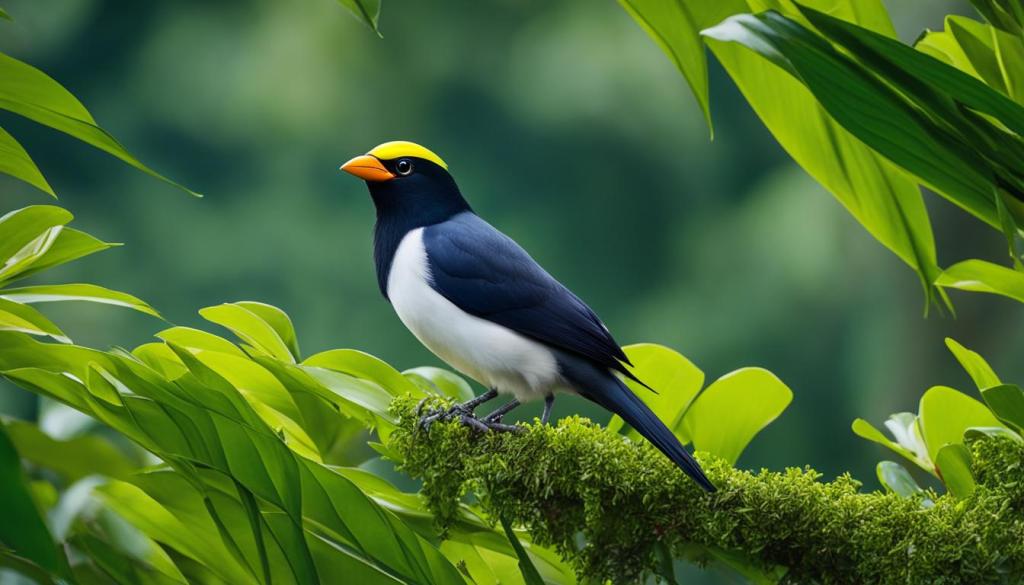
    One standout spot is West Bali National Park. It’s a protected area that’s home to the endangered Bali myna (this bird looks like it’s dressed for a formal event—pure white feathers with a pop of blue around the eyes). Seeing one in the wild? Unreal. The park also has wild deer, monitor lizards, and even black monkeys. And pro tip: If you’re into snorkeling or diving, the reefs around Menjangan Island—part of the park—are insane. Think Finding Nemo vibes but IRL.

    Oh, and let’s not forget Monkey Forest in Ubud. This place is equal parts charming and chaotic. The long-tailed macaques are everywhere, and while they’re cute, they’re also professional snack thieves. Don’t even think about bringing food unless you want an uninvited monkey mob in your face. Trust me, I learned this the hard way.

    Choosing the Right Nature Tour Package

    Here’s where things can get a little overwhelming: there are so many options. Like, every tour operator and their grandma seems to offer a wildlife or nature package. How do you pick? The secret is figuring out what kind of vibe you’re after.

    • For the Adventurous: Look for trekking tours in the Mount Batur region. You start hiking in the pitch dark (bring a flashlight!), and by sunrise, you’re at the top of a volcano with jaw-dropping views. Some tours even include a guide who’ll boil eggs in the volcanic steam for breakfast. How cool is that?
    • For the Chill Seekers: Go for a river cruise along the Ayung River. It’s less about the wildlife and more about soaking in the jungle scenery. You’ll float past waterfalls, hidden temples, and if you’re lucky, spot a heron or two.
    • For Animal Lovers: Visit the Bali Safari & Marine Park. It’s perfect if you’re traveling with kids or just want a guaranteed look at wildlife like tigers, elephants, and orangutans. Some packages even let you have breakfast with a lion (don’t worry, there’s a glass wall between you).

    What to Watch Out For

    Not all tour packages are created equal, and some are straight-up tourist traps. Always, always read reviews. If the price seems too good to be true, it probably is. I once booked a “jungle tour” that turned out to be a bumpy van ride through some farmlands—not exactly the Tarzan experience I was expecting.

    Also, some operators claim to offer “ethical” animal interactions, but a quick Google search will tell you otherwise. If you’re visiting places with elephants or monkeys, do your homework. Bali Elephant Sanctuary, for example, has solid reviews and puts the animals first.

    And can we talk about gear for a second? Wear proper shoes, people. Flip-flops might be great for the beach, but they’re not gonna cut it on a muddy jungle trek. I learned this the hard way when I slipped and ended up with a very unflattering backside photo, courtesy of my guide.

    Unexpected Gems You Shouldn’t Miss

    Here’s the thing about Bali: the best spots aren’t always on the main tourist trail. One place I stumbled upon was the Sacred Bali Butterfly Park. It’s smaller and less hyped, but if you love nature photography or just want a break from the crowds, it’s a gem. Plus, holding a butterfly the size of your hand? Magical.

    Another lesser-known highlight is Sekumpul Waterfall. It’s a bit of a trek to get there (think steep stairs and a river crossing), but it’s 100% worth the effort. The falls are massive, and the misty jungle backdrop makes you feel like you’re in a movie.

    Getting the Most Out of a Bali Wildlife Tour

    Alright, let’s get real for a second—planning a wildlife tour in Bali isn’t always as straightforward as it sounds. Some packages promise the world but don’t deliver much more than a crowded van and a rushed itinerary. To avoid that mess, here’s what worked for me (after making a few rookie mistakes).

    First, don’t cram too much into one day. Bali may look small on the map, but trust me, getting around takes time. Between winding mountain roads and scooters zipping everywhere, you’ll need some buffer time to actually enjoy the sights. When I tried to do a sunrise hike at Mount Batur and a jungle trek in the same day, I ended up exhausted and barely appreciated either. Lesson learned: pick one main activity per day and savor it.

    Second, ask questions before booking. I know, who has time for that, right? But seriously, a quick WhatsApp chat with the tour operator can save you a lot of frustration. Ask stuff like:

    • How big is the group? (Smaller is better for a more personal experience.)
    • What’s included in the price? (Meals, transport, entrance fees?)
    • Are there extra costs for things like snorkeling gear or guides?

    Lastly, trust the locals. Some of the best wildlife experiences I had weren’t from big-name operators. A local guide I met in Munduk offered to show me hidden waterfalls, and it turned into the highlight of my trip. Plus, supporting local guides often means your money goes directly into the community instead of a big tour company. Win-win.

    Wildlife You’ve Gotta See in Bali

    Now, let’s talk about the stars of the show: the animals. Bali’s not like an African safari, but it’s got its own unique lineup of creatures that’ll leave you speechless. Here are a few you shouldn’t miss:

    1. Bali Starlings (Bali Mynas):
      These birds are crazy rare—like, less than 100 in the wild rare. If you’re lucky enough to spot one in West Bali National Park, consider it a once-in-a-lifetime moment. Pro tip: bring binoculars. I didn’t, and squinting at white blobs in the distance just isn’t the same.
    2. Long-Tailed Macaques:
      Love ‘em or hate ‘em, these monkeys are everywhere. You’ll see them in places like Ubud’s Monkey Forest, but they’re also known to hang out near temples like Uluwatu. Just keep your valuables close—they’ve been known to snatch sunglasses, cameras, and even flip-flops.
    3. Sea Turtles:
      If you’re into marine life, head to Turtle Conservation and Education Center in Serangan. They rescue injured turtles and run programs to release hatchlings into the wild. Bonus: it’s hands-on, so you might get to help release baby turtles into the ocean.
    4. Flying Foxes:
      These massive fruit bats are as fascinating as they are a little creepy. You can see them hanging out in trees during the day or swooping through the sky at dusk. Some temples, like Goa Lawah (Bat Cave Temple), are famous for their bat populations.
    5. Monitor Lizards and Deer:
      If you visit Menjangan Island, you’ll probably spot these guys chilling in the sun. They’re not as flashy as the monkeys, but there’s something super cool about seeing them in their natural habitat.

    Packing Essentials for Your Nature Tours

    Here’s where I got it wrong at first. I thought, “It’s Bali—just bring flip-flops and a water bottle.” Nope. Here’s what you actually need:

    • Hiking Shoes: Even if you’re just doing a short trek, the terrain can be slippery and uneven. Trust me, flip-flops will betray you.
    • Bug Spray: Mosquitoes in Bali don’t mess around. If you forget this, you’ll spend the next day scratching like crazy.
    • Snacks: Some tours include food, but it’s not always filling. I always pack some granola bars or trail mix—hangry is not a good look on a jungle trek.
    • Reusable Water Bottle: Hydration is key, and many places in Bali are eco-conscious, so you can refill your bottle instead of buying plastic ones.
    • Camera or Phone with Extra Battery: You’ll want to capture the magic, and let’s be real—your phone will probably die halfway through the day if you don’t plan ahead.

    The Best Time to Visit Bali for Wildlife

    Timing is everything when it comes to nature tours. Bali’s dry season (April to October) is hands-down the best for outdoor activities. You’ll get sunny skies, fewer bugs, and easier trekking conditions.

    That said, the wet season (November to March) has its perks too. The jungles are greener, the waterfalls are more powerful, and there are fewer tourists around. Just be prepared for sudden rain showers. A lightweight rain jacket or poncho is a lifesaver—learned that the hard way when I got drenched on a jungle trek.

    A Few Personal Fails (And What You Can Learn from Them)

    I feel like no travel blog is complete without a little honesty about the things that didn’t go as planned. Like the time I thought I could just wing a jungle trek without a guide. I ended up lost, drenched in sweat, and possibly more mosquito bites than skin. Pro tip: don’t underestimate how dense the jungles are—always go with a guide.

    Another classic fail was underestimating the monkeys in Ubud. I was snapping a selfie with one (bad idea) when another monkey snatched the bag of peanuts from my pocket. Rookie move, I know. Lesson learned: no food near the monkeys, ever.

    Alright, that’s enough from me for now. Whether you’re a wildlife enthusiast, a nature lover, or just someone looking to experience a different side of Bali, these tours offer something unforgettable. Dive into the island’s wilder side, take it slow, and don’t stress if things don’t go perfectly. After all, half the fun is in the unexpected moments, right?

    So, what’s stopping you? Lace up your hiking boots, pack that bug spray, and get out there. Bali’s waiting!

  • The Best Bali Sightseeing Packages: A No-Nonsense Guide to Booking the Right One

    The Best Bali Sightseeing Packages: A No-Nonsense Guide to Booking the Right One

    Bali ain’t just a vacation spot—it’s a whole experience. Whether you’re dreaming of temple hopping, chasing waterfalls, or just stuffing your face with babi guling, there’s a sightseeing package for that. But lemme tell you, not all Bali sightseeing packages are created equal. Some are straight-up overpriced, others cram too much into one day (nobody wants to be rushed through a temple like they’re on a school trip). So, let’s talk about how to actually pick a solid sightseeing tour in Bali—one that won’t have you regretting your life choices halfway through.

    Why Book a Bali Sightseeing Package Instead of DIY-ing It?

    Look, I get it—some folks love the thrill of exploring on their own. Renting a scooter, hitting up random spots, and getting lost in the backstreets of Ubud sounds romantic until you’re stuck in Bali traffic for an hour, inhaling exhaust fumes. That’s where a solid sightseeing package comes in clutch.

    1. You Save Time & Stress – Bali roads can be chaotic, and Google Maps doesn’t always show the “real” travel time. A guided tour means no stress about navigation, parking, or figuring out which temple actually allows visitors.
    2. Local Guides Know Their Stuff – A good guide doesn’t just drive you around; they’ll spill the real tea on Bali’s culture, history, and even where to grab the best satay.
    3. Convenience, Baby! – No haggling with drivers, no surprise fees, no wondering if you’re getting scammed—just a smooth itinerary.

    Types of Bali Sightseeing Packages (And Which One’s Right for You)

    There’s no “one-size-fits-all” when it comes to Bali tours. What works for a first-time visitor might be boring for an adrenaline junkie. Here’s a breakdown:

    1. Classic Bali Cultural Tour (For First-Timers)

    Perfect for: Travelers who wanna see the “must-visit” spots without the headache of planning.

    A typical itinerary includes:

    • Tirta Empul Temple – The holy water purification temple (yes, the one all over Instagram).
    • Tegalalang Rice Terraces – A classic, but for a reason—it’s stunning.
    • Ubud Monkey Forest – Touristy? Yep. But watching monkeys steal people’s sunglasses never gets old.
    • Ubud Art Market – Good for souvenirs, if you can haggle.

    Price Range: Around $35–$70 per person, depending on whether it’s a private or group tour.

    TIP: Some tours throw in a stop at a Luwak coffee plantation. Unless you really wanna see how that “poop coffee” is made, you can skip it.

    1. Bali Adventure Tour (For Thrill Seekers)

    Perfect for: Anyone who gets bored just looking at temples and wants to add a little adrenaline rush.

    Expect stops like:

    • Whitewater Rafting on the Ayung River – Nothing crazy, but fun enough.
    • ATV Ride Through Jungle & Villages – Muddy, bumpy, and ridiculously fun.
    • Bali Swing – Overpriced? Yes. But worth it for the photo? Also yes.
    • Hidden Canyon Beji Guwang – A mix of hiking, wading through water, and climbing rocks.

    Price Range: $50–$100, usually includes lunch and hotel pick-up.
    Heads-up: Some “adventure” tours throw in a quick temple stop, which might feel random if you’re here just for the action.

    1. Nusa Penida Day Trip (For The Best Views)

    Perfect for: Those who wanna see Bali’s most jaw-dropping landscapes in a single day.

    Nusa Penida is that island you’ve probably seen on postcards—dramatic cliffs, crystal-clear water, and beaches that look unreal. The most common stops:

    • Kelingking Beach – Aka the “T-Rex” rock formation. Looks stunning from above, but the hike down is brutal.
    • Broken Beach & Angel’s Billabong – Instagrammable but usually packed with tourists.
    • Crystal Bay – Good for a quick dip before heading back.

    Price Range: $60–$120, including speedboat tickets.

    Important: The boat ride can be ROUGH. If you get seasick, pop a motion sickness pill beforehand.

    1. Bali Sunrise Tour (For Early Risers & Photographers)

    Perfect for: People who don’t mind waking up at stupid o’clock for epic sunrise views.

    Options include:

    • Mount Batur Sunrise Hike – A 2-hour uphill trek in the dark, but the sunrise view? 100% worth it.
    • Lempuyang Temple (“Gates of Heaven”) – If you’re ready to wait in line for a photo, go for it.
    • Sekumpul Waterfall – One of Bali’s most stunning waterfalls, with way fewer crowds than Tegenungan.

    Price Range: $40–$90, depending on the tour and group size.

    How to Choose the Best Bali Sightseeing Package (And Not Get Scammed)

    Bali is full of amazing tours, but also some straight-up tourist traps. Here’s how to make sure you get a good deal:

    1. Check Reviews on Multiple Platforms – Google, TripAdvisor, and even Instagram comments can give you a more realistic picture than just the company’s website.
    2. Ask What’s Included – Some tours “conveniently” leave out entrance fees, lunch, or hotel pickup. Always double-check.
    3. Avoid Super Cheap Tours – If a package seems too good to be true, it probably is. Some budget tours cut corners on transport, guides, or even safety.
    4. Private vs. Group Tours? – Private tours cost more but give you flexibility (aka no waiting around for slow walkers).

    Tips for a Smooth Sightseeing Experience in Bali

    • Bring Cash: Some places (like local warungs or temple entrances) don’t take cards.
    • Dress Modestly for Temples: Cover your shoulders and knees, or bring a sarong (many temples provide them).
    • Stay Hydrated & Use Sunscreen: Bali’s heat is no joke, and sunburn + sightseeing = misery.
    • Leave Room for Spontaneity: Some of the best experiences come from last-minute detours—if your tour allows flexibility, take advantage of it.

    What to Pack for Your Bali Sightseeing Tour

    You don’t need to bring your entire suitcase on a day tour, but there are a few essentials you’ll thank yourself for having.

    Must-Haves for Any Tour:

    ✔ Comfortable Shoes – Sandals might be fine for city tours, but if you’re trekking to waterfalls or temples with a million stairs (looking at you, Lempuyang), you’ll want sneakers.
    ✔ Sunscreen & Sunglasses – Bali’s sun is no joke. If you forget sunscreen, expect to look like a lobster by the end of the day.
    ✔ Water Bottle – Hydration is key, especially if your tour involves hiking. Most guides carry extra, but it’s always good to have your own.
    ✔ Lightweight Backpack – Carry your essentials without breaking your back. You’ll need both hands free if you’re climbing rocks at Sekumpul Waterfall.
    ✔ Sarong or Scarf – Required for temple visits (though most temples provide one if you forget).
    ✔ Waterproof Bag (If You’re Visiting Waterfalls or Nusa Penida) – Your phone and camera will thank you.

    Bonus Items (But Highly Recommended!)

    ✔ Power Bank – If you’re snapping a million photos and using Google Maps, your phone battery won’t last all day.
    ✔ Motion Sickness Pills – If your tour involves a boat ride (hello, Nusa Penida), don’t risk it. Those waves get rough.
    ✔ Bug Spray – Some temple areas and waterfalls have mosquitos that act like they haven’t eaten in weeks.

    Bali Sightseeing Mistakes to Avoid (So You Don’t End Up Regretting Your Tour)

    Even with the best sightseeing package, there are some rookie mistakes that can turn an awesome day into a stressful mess. Here’s what NOT to do:

    ❌ Booking a Tour Without Checking the Itinerary
    Some packages try to cram 5–6 stops into a single day. Sounds good in theory, but in reality? You’ll spend more time in a car than actually enjoying Bali. A good tour should balance sightseeing with enough time to soak in each spot.

    ❌ Underestimating Bali’s Traffic
    Bali’s traffic is unpredictable, especially around Kuta, Seminyak, and Ubud. A 30-minute drive on Google Maps? Could easily take an hour or more. If you’re on a tight schedule, book a private tour so you have more control over the timing.

    ❌ Ignoring the Weather Forecast
    Rainy season (November–March) doesn’t mean nonstop downpours, but sudden showers can mess up your plans. Some waterfalls become unsafe, and hiking trails get slippery. Dry season (April–October) is ideal, but it’s also peak tourist season—so expect crowds.

    ❌ Skipping Travel Insurance
    Most sightseeing tours are safe, but accidents happen—especially on adventure tours. Whether it’s a minor scooter crash or slipping on a waterfall trail, medical costs for tourists aren’t cheap. Travel insurance gives you peace of mind.

    ❌ Not Confirming Pick-Up Time & Location
    Sounds simple, but trust me—miscommunications happen. Some hotels are tucked away in small alleys, making them tricky for drivers to find. Double-check pick-up details the night before to avoid stress in the morning.

    Best Time to Book Bali Sightseeing Packages for the Best Experience

    The best time to book depends on what kind of experience you’re looking for.

    • Dry Season (April–October) – The ideal time for sightseeing. Clear skies, less humidity, and better visibility for those jaw-dropping sunrise tours. The downside? More tourists and slightly higher prices.
    • Rainy Season (November–March) – Fewer crowds and lower prices, but expect some rain. Waterfalls are more powerful (which is great for photos), but some trails get slippery. If you’re doing an island tour, be prepared for choppy waters.
    • Peak vs. Off-Peak – July, August, and December are peak months, meaning packed tourist spots and higher rates. If you can, visit in May, June, or September for fewer crowds and decent weather.

    Book tours at least a few days in advance if you’re traveling in high season—especially for popular spots like Nusa Penida and Mount Batur.

    Where to Book the Best Bali Sightseeing Packages (And Avoid Tourist Traps)

    Now, let’s talk about actually booking your tour. You’ve got a few options:

    1. Booking Online (Best for Convenience & Reviews)
    • Trusted Platforms: Viator, GetYourGuide, and Klook all have solid options with verified reviews.
    • Pros: Easy price comparison, clear itineraries, and (sometimes) free cancellations.
    • Cons: Prices can be slightly higher than booking locally.
    1. Booking Through Your Hotel (Best for Private Tours)
      🔹 Pros: Hotels often have trusted drivers and guides, so you’re less likely to get scammed.
      🔹 Cons: Prices are usually higher than if you book directly with a local guide.
    2. Hiring a Private Driver (Best for Flexibility)
      🔹 Pros: You decide the schedule, no rushing, and you can tweak the itinerary on the go.
      🔹 Cons: Not all drivers are tour guides—some just take you from A to B without much explanation.
      🔹 Price Range: Expect to pay IDR 600,000–800,000 ($40–$55) per day for a private driver, including fuel.

    If you’re hiring a driver, ask if they have a guide license. A licensed guide can take you inside temples and share insights, while a regular driver can only drop you at the entrance.

    Bali Sightseeing Packages: Worth It or Not?

    If you’re debating whether to book a sightseeing package or DIY your trip, here’s the short answer:

    ✅ Book a tour if: You’re short on time, want to see multiple spots in a day, or prefer a hassle-free experience with a knowledgeable guide.
    ❌ Go DIY if: You love spontaneity, don’t mind navigating Bali’s roads, and want full control over your schedule.

    Either way, Bali’s magic isn’t just in its famous attractions—it’s in the small moments, too. The roadside warung serving up the best nasi goreng, the unexpected temple ceremony you stumble upon, the quiet sunset at a random beach. So, whether you’re booking a sightseeing package or winging it, leave some room for surprises. That’s where the best travel stories come from.

Design a site like this with WordPress.com
Get started